
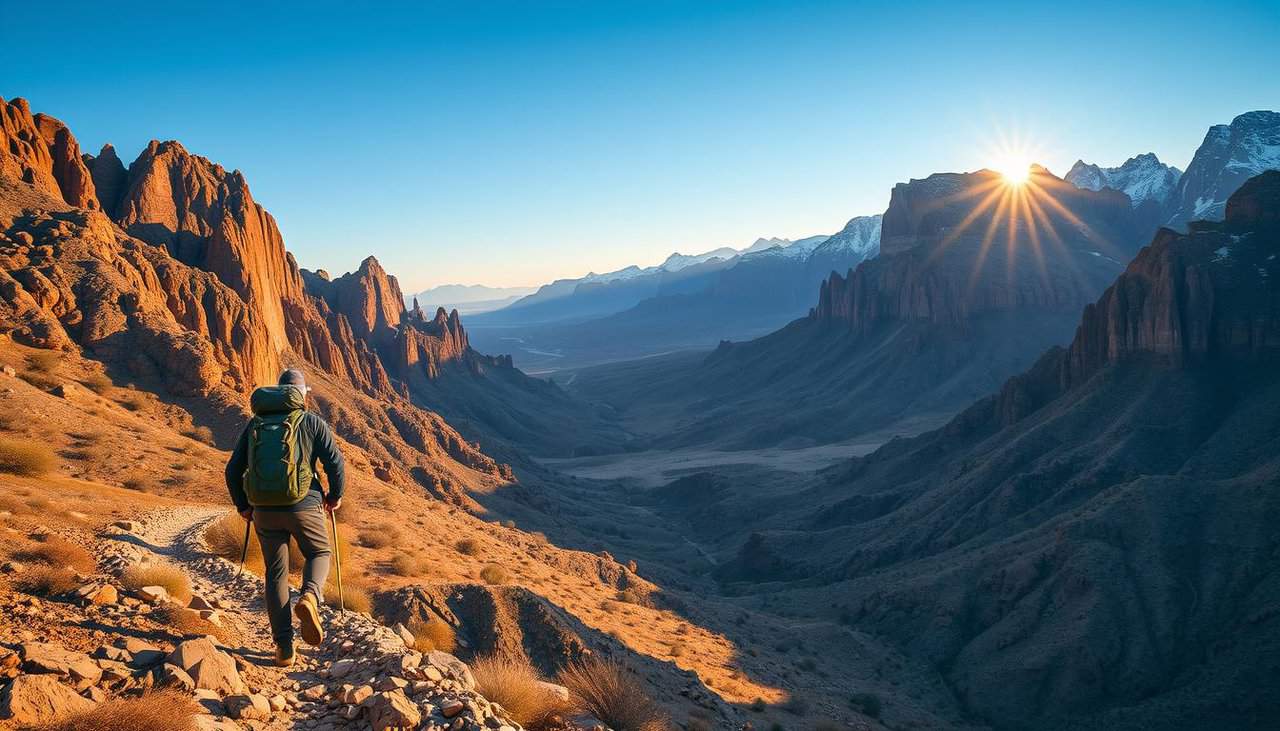
Have you wondered about the secrets of Big Bend National Park in Texas? It covers more than 800,000 acres of beauty and secret spots. This guide helps anyone wanting to explore its vast biodiversity and stunning landscapes. It gives tips for those wanting to hike the Chisos Mountains or relax by the Rio Grande. With details on how to get there and stay safe, this guide has you covered. Dive in to find out why Big Bend is a treasured place in Texas.
Key Takeaways
- Big Bend National Park spans over 800,000 acres, offering endless exploration opportunities.
- The closest city, El Paso, is around 4.5 hours away, making it a remote getaway.
- Spring, especially March, is the most popular time to visit, offering milder temperatures.
- Four established campgrounds require reservations, with options for primitive camping.
- The park is known for its unique wildlife, including over 450 bird species and black bears.
- Limited cell service in the park encourages visitors to disconnect and enjoy nature.
- The Chisos Basin offers cooler temperatures, making it a perfect spot in the warmer months.
Overview of Big Bend National Park
Big Bend National Park is an expansive oasis in Texas, capturing visitors’ attention with its rich history and stunning vistas. Established on June 12, 1944, it covers over 801,100 acres, making it Texas’ biggest national park. The park features diverse ecosystems like the Chisos Mountains, wide stretches of the Chihuahuan Desert, and the Rio Grande’s meandering paths. These contribute to the area’s unique beauty and attraction.
History of the Park
The area now known as Big Bend National Park was once crucial for Indigenous peoples, particularly the Chisos tribe. They left a strong cultural mark on the area. Spanish explorers later came, aiming to settle and utilize the land. Over time, archaeological finds revealed artifacts dating back thousands of years, showing the area’s deep historical roots.
Geographical Features
The park’s standout geographical feature is the Chisos Mountains, peaking at 7,832 feet at Emory Peak. This towering peak is part of a varied landscape that includes mountains, deserts, and the Rio Grande. The river acts as a natural border for the park over about 118 miles. The park’s varied elevations create unique microclimates, flourishing gardens, and homes for diverse animals.
Flora and Fauna
Big Bend boasts a rich tapestry of life, with more than 1,200 plant species. It spans from the dry Chihuahuan Desert to vibrant riverbanks. These zones are home to over 450 bird species, 75 mammal types, and 56 reptile species. This astonishing variety invites wildlife enthusiasts and nature lovers to discover the complex world of its plants and animals.
Getting There: Transportation Options
Big Bend National Park is remote, so plan your trip well. It’s far from big cities, making it important to know how to get there. El Paso is the closest big city, about 4.5 hours away by car. Most visitors drive from El Paso or Midland.
How to Reach Big Bend
Driving is the easiest way to get to Big Bend. From Houston, head towards San Antonio, then drive about 200 miles. Next, you can either go via I-10 to Fort Stockton or take the scenic US 90. From Dallas-Fort Worth, choose from three main routes, each taking different times. Those coming from Austin should take US 290 west, passing through Fredericksburg.
Local Airports and Shuttle Services
The nearest airports to Big Bend are El Paso International Airport and Midland International Air & Space Port. These airports are your best bet, but smaller airports offer fewer options, and shuttle services are rare. You really need your own car to visit the park since public transport isn’t great there.
Best Routes for Road Trips
There are many roads you can take to make your road trip better. Highway 90 offers gorgeous border views, while I-10 is faster if you’re in a hurry. But remember, services can be sparse near the park. Whether you like mountain roads or straight paths, Big Bend is a great chance to see Texas’s amazing views.
When to Visit Big Bend National Park
Deciding when to go to Big Bend National Park means looking at its seasons and weather. This helps you pick the best activities during your visit for a fun time.
Seasonal Highlights
Spring at the park is beautiful with wildflowers everywhere. It’s also very busy because of spring break. Fall is cooler and perfect for taking photos and exploring.
Weather Considerations
Summer in the park is really hot, with days often over 100°F. Winter is cold at night, which can be tough if you’re used to warm weather.
Events and Festivals
Visiting during special events at Big Bend makes your trip even better. There’s the Big Bend Ranch Rodeo and stargazing festivals. These events help you feel connected to the area’s culture and nature.
| Season | Best Time to Visit | Weather Conditions | Notable Events |
|---|---|---|---|
| Spring | March – April | Average temps 75°F; mild | Wildflower blooms; Spring Break |
| Summer | June – August | High temps over 100°F | Water-related activities |
| Fall | September – November | Cooling temps; rainier | Autumn colors; Thanksgiving |
| Winter | December – February | Freezing nights; mild days | Winter Holidays |
Park Entrance Fees and Visitor Centers
Planning your trip to Big Bend National Park? Know about the entrance fees and visitor centers first. With different entry options and helpful information at the visitor centers, you can fully enjoy this beautiful place.
Current Fee Structure
The cost to enter Big Bend National Park changes with your mode of entry. To get in with a car, you’ll pay $30 for seven days. Walking or biking in costs $15 for a week. Motorcycle riders are charged $25 to enter. For those coming back often, an $80 Big Bend Park Pass allows unlimited yearly access. Or, consider the National Parks Pass for $50, which lets you into many parks. Over 80% of this money helps fund park projects.
Operating Hours of Visitor Centers
Big Bend has five visitor centers, and each has its own special services. Panther Junction is the main one and it’s open all year. Chisos Basin often has more to offer in terms of resources. The Castolon Visitor Center is open in winter and has a great bookstore that supports the park. Persimmon Gap Visitor Center is available from November 1 to April 14. Always check the latest hours before you go, as they can change with the seasons.
Camping in Big Bend National Park
Camping in Big Bend lets you get close to nature in a beautiful setting. The park has different campgrounds, each with unique features. Whether you like regular campgrounds or quiet backcountry spots, there’s something for you.
Campgrounds Overview
There are four main campgrounds in Big Bend National Park:
- Chisos Basin Campground: Offers 56 sites all year in a mountainous setting with stunning views.
- Rio Grande Village Campground: Has 93 sites near the Rio Grande for those loving river proximity.
- Cottonwood Campground: A quieter place with 22 sites, great for a peaceful stay.
- Rio Grande Village RV Park: Managed by Aramark, this park has 25 full hookup sites for RVs up to 38 feet.
Backcountry Camping Guidelines
If you love adventure, try backcountry camping. It offers remote spots to enjoy Big Bend’s wild beauty. A backcountry permit is needed for these trips to protect the area. Campsites follow a strict Leave No Trace rule to respect nature. For organized groups, only 15 people per site, but there’s a special site for bigger groups in Chisos.
Reserve Your Spot
Booking early for campgrounds is a must, especially in busy seasons like March and April. You can book some sites six months ahead, others two weeks before. The maximum stay is 14 nights in a row, with 28 nights per year. Summer spots are limited, so plan early.
| Campground | Type | Number of Sites | Special Features |
|---|---|---|---|
| Chisos Basin | Frontcountry | 56 | Mountain views, year-round operation |
| Rio Grande Village | Frontcountry | 93 | Water access, scenic river views |
| Cottonwood | Frontcountry | 22 | Quiet atmosphere, limited capacity |
| Rio Grande Village RV Park | RV Park | 25 | Full hookups, 38′ RV maximum length |
Hiking Trails: An Overview
Big Bend National Park has many hiking trails for all skill levels. There are over 150 miles of paths you can explore. It doesn’t matter if you want an easy walk or a tough challenge, you’ll find it here.
Popular Trails for All Skill Levels
The trails at Big Bend offer both beauty and varying challenges. Some famous trails are:
- Window View Trail: Easy, 0.3 miles round trip – provides a short walk with great views.
- Chisos Basin Loop Trail: Moderate, 2 miles round trip – a perfect way to see the basin.
- Lost Mine Trail: Moderate, 4.8 miles round trip – offers lovely views for hikers.
- South Rim Trail: Strenuous, 12-14.5 miles round trip – features amazing views from up high.
- Emory Peak Trail: Strenuous, 10 miles round trip – a tough climb with incredible sights.
- Boot Canyon Trail: Strenuous, 3.5 miles (one-way) – hard but offers stunning scenery.
Big Bend hikes cover deserts, mountains, and rivers, offering varied experiences. If your group has more than 30 people, you’ll need to split up. This helps keep the trails peaceful. Also, smoking is not allowed on Chisos Mountain trails.
Safety Tips for Hiking
Always remember these safety tips when hiking:
- Carry plenty of water to stay hydrated.
- Wear sun protection, like hats and sunscreen.
- Know the trail difficulty and conditions beforehand.
- Be aware of wildlife you might come across.
Scenic Drives within Big Bend
Exploring Big Bend National Park by car lets you see its stunning views comfortably. You’ll find two main drives worth taking: the Ross Maxwell Scenic Drive and River Road. Each route shows off different beautiful spots and views that you must see.
The Ross Maxwell Scenic Drive
The Ross Maxwell Scenic Drive covers about 30 miles. It shows some of the most beautiful desert views in the park. The Santa Elena Canyon is a big highlight, dropping 1,500 feet into the ground.
There are plenty of spots along the drive for short walks. These let you really feel the beauty of the area. Get ready to make some amazing memories as you drive this incredible route.
River Road Highlights
River Road takes you on a 51-mile adventure next to the Rio Grande. It shows the unique beauty of Big Bend’s landscape. This road also gives you spots to camp by the river or just enjoy nature.
The middle part of River Road is especially beautiful. It makes exploring Big Bend an experience you’ll always remember.
Wildlife Watching in Big Bend
Big Bend National Park is a dream spot for those who love the outdoors. It’s full of different plants and animals, offering a unique adventure. Here, you can find a wide variety of birds and mammals in their natural homes. This part will tell you about the birds and mammals you can see in Big Bend.
Birdwatching Opportunities
Birdwatching here is amazing, with over 450 bird types recorded in the park. Spring and fall are the best times to see migratory birds. Places like Dugout Wells and Sam Nail Ranch are great for spotting these birds. The park’s many landscapes, like deserts and water areas, are perfect for bird life.
Mammals You Might Encounter
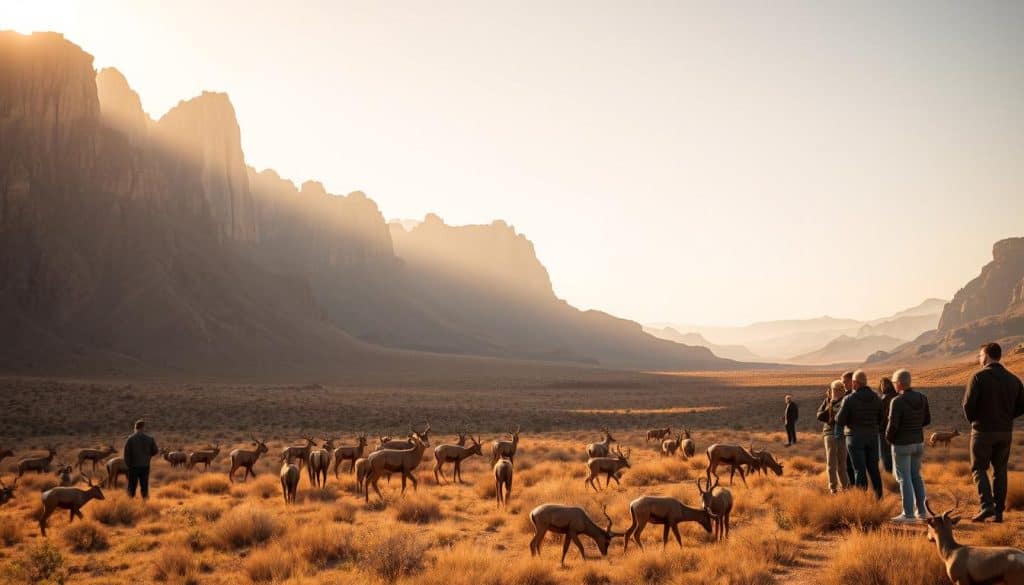
The park has 75 types of mammals, making each visit exciting. The early morning or late evening is the best time to see animals. Keep an eye out for javelinas, black bears, and mountain lions. You might also see nocturnal animals like kit foxes, bobcats, and various bats. Watching wildlife in Big Bend makes exploring the park an unforgettable adventure.
Stargazing in Big Bend National Park
Big Bend National Park is a top spot for stargazing fans. Its skies are so clear, offering views of stars like nowhere else. It’s known as an International Dark Sky Park since 2012, making it perfect for seeing the universe.
Why Big Bend is Perfect for Stargazing
The park has the least light pollution in the continental U.S. Its isolated location cuts down on city light interference, allowing stars to shine brighter. People say the sky here looks like a canvas filled with sparkling stars and the Milky Way. This makes it a haven for astronomers.
The dark skies of Big Bend and nearby Big Bend Ranch State Park cover over 1,112,000 acres. This huge area makes the stargazing experience even better.
Best Spots to Watch the Night Sky
To enjoy the best stargazing, go to these places in the park:
- Sotol Vista Overlook: It offers wide views of the night sky, especially good during new moons for great visibility.
- Chisos Basin: This place gives a unique view of stars over rugged mountains.
The National Park Service also offers free night sky programs. They’re led by park rangers and volunteers. They help you learn about stars. Everyone, from serious stargazers to those just looking, will find something memorable in the dark skies of Big Bend.
| Location | Best Features | Park Access |
|---|---|---|
| Sotol Vista Overlook | Panoramic views, minimal obstruction | Accessible via park roads |
| Chisos Basin | Mountain backdrop, rich star visibility | Requires short hike |
Outdoor Activities Beyond Hiking
Big Bend National Park is a great place if you’re looking to do more than just hike. You can go biking or enjoy water sports like canoeing and rafting. These activities give you exciting ways to see the park’s beautiful views and special nature. You’ll make memories that you won’t forget.
Biking Trails and Rentals
Though you can’t mountain bike on the hiking trails, there are plenty of backcountry roads for bikers. These roads let you see amazing scenery at your own pace. Around the park, local places offer bikes for rent. This makes it easy to start exploring. Biking here gives you a different look at the park’s varied landscapes.
Canoeing and Rafting the Rio Grande
The Rio Grande is perfect for canoeing and rafting. There are choices for guided tours or going on your own. You might take a short trip for half a day or spend several days camping along the river. Canoeing on the Rio Grande is something you should do at least once. It’s very fun to start in the park and go down to Santa Elena Canyon. This sport is a cool way to enjoy the nature and animals around you.
Photography Tips for Big Bend
Big Bend National Park is a paradise for camera lovers. Its varied landscapes and rich wildlife are perfect for amazing photos. Here are some tips on the best times and ways to take photos.
Best Times and Locations for Photos
Photography is best in the early morning and late afternoon at Big Bend. The light is soft then, making colors bright and shadows deep. Places like Santa Elena Canyon, the Basin, and the Chisos Mountains are great for photos.
- Santa Elena Canyon: Walls rise 1,500 feet, offering dramatic perspectives.
- Ross Maxwell Scenic Drive: Spanning 30 miles, this drive showcases vast Big Bend landscapes.
- Chisos Mountains: Perfect for both landscapes and nighttime photography.
- Rio Grande Village: Ideal for capturing the lush riparian zones.
Capturing Wildlife and Landscapes
For wildlife photos, patience is important. Stay far enough away so you don’t scare the animals. Big Bend has around 450 bird species and animals like Mexican black bears and mountain lions. Keep a safe distance to protect yourself and the wildlife.
Try different techniques to improve your photos:
- Use light meters to gauge exposure accurately, especially during sunrise and sunset.
- Experiment with shutter speeds to freeze action shots of wildlife.
- Explore night photography techniques, such as light-painting and capturing star trails due to the park’s exceptional dark skies.
Big Bend offers many chances to take pictures of wildlife and landscapes. Use this chance to make memories with your camera.
Guided Tours and Ranger Programs
Exploring Big Bend National Park lets visitors deeply connect with its stunning landscapes and lively ecosystems. Going on guided tours and ranger programs gives you special learning experiences. These experiences help you love and understand this unique place even more.
Types of Guided Tours Available
Big Bend National Park has many guided tours for different interests and skill levels. Some popular options include:
- Ranger-led hikes: These hikes have knowledgeable rangers. They talk about the park’s ecology, geology, and history.
- Stargazing events: These events let you see the amazing night sky. Big Bend is famous for its dark skies and clear views of stars and planets.
- Historical tours: Learn about the area’s rich culture. These tours take you to important landmarks and sites.
Importance of Ranger-Led Programs
Ranger programs add a lot to your learning at Big Bend. Rangers share expert knowledge about the park’s animals, trails, and safety tips. Their tours show you parts of nature you might not see by yourself. By joining in, you get closer to the park’s incredible plants and animals. This makes you appreciate this natural treasure even more.

Essential Packing List for Big Bend
Heading to Big Bend National Park needs a well-thought-out packing list. This ensures a safe and fun trip. You’ll need the right clothes for hiking and gear. This makes a big difference in how comfortable and safe you are. Here are the key things to pack for your adventure.
Clothing Recommendations
Choose clothes that are light and can breathe well for hiking in Big Bend. It’s important to wear layers since the temperature can change a lot during the day. Don’t forget to bring things that protect you from the sun, like:
- Wide-brimmed hats
- Long-sleeved shirts
- Sunscreen with high SPF
- Durable pants and shorts for tough trails
Picking the right socks is also key; great wool blend socks can stop blisters. Solid hiking boots are needed for the desert trails. They give you comfort and keep you stable while walking.
Equipment and Supplies
Your gear for Big Bend must have a big water reservoir. You need a gallon of water per person each day. This is vital as there are few water spots in the wild. Make sure to have these necessary items:
- Hydration packs like the CamelBak Scout or Mini M.U.L.E., holding about 50 oz. each
- Snacks for energy on hikes, preferably ones that won’t go bad
- A small first-aid kit
- A sturdy backpack for hiking
- A foldable daypack for short trips, that packs down small
Keep your valuable stuff safe as there might be theft in remote camping spots. Lastly, drink plenty of water and be aware of your surroundings. This is especially important in the summer heat. By doing this, you can safely enjoy everything Big Bend offers.
Safety Guidelines for Visitors
Your visit to Big Bend National Park is full of amazing views and memories to cherish. It’s very important to keep safety first to enjoy your trip fully. Knowing how to deal with wildlife and staying hydrated helps you have a great time in this beautiful place with its vast landscapes and unique animals.
What to Know About Wildlife Encounters
At Big Bend, you might see black bears, javelinas, coyotes, and skunks. These animals add to the park’s beauty, but it’s important to keep a safe distance. Feeding them can make them come too close, which is dangerous. Being aware of where you are is key, especially because of venomous snakes. By following safety advice, you can safely enjoy seeing the wildlife.
Staying Hydrated and Sun Protection
The desert can be tough. You should drink at least a gallon of water a day, especially when outside. Staying hydrated is very important for your health. Also, the sun can be very strong, so you need to protect yourself. Use sunscreen, wear hats with wide brims, and dress in light, long-sleeved clothes to keep the sunburn and heat away. Keeping hydrated and protecting yourself from the sun is crucial for a good time in the park.
Local Culture and History around Big Bend
The local culture and history near Big Bend National Park are very important. They connect deeply with the land and its first people. These areas have been home to people for about 10,000 years. Studies of old things found here tell a story of how people lived, changed, and showed their culture. This park has seen many groups of people over time. It shows a rich history that makes visiting more special.
Indigenous Tribes of the Region
Important local tribes, like the Comanche and the Chizo, shaped the culture here. The Comanche, for example, used this land for important raids over the Rio Grande. They had a big impact on this area’s history until the late 1800s. Their influence helped shape the story of this place.
Historical Landmarks Near the Park
Going to places like the Hot Springs Historic District helps us learn about the settlers here. Mexican settlers started farms around 1900, and Anglo-Americans arrived after 1920. The La Harmonia Store in Castolon shows this rich history. It has been open for 80 years. Seeing these places helps us understand the changing history, from the early settlements near the Rio Grande to farming near the Rio Grande Village.
| Period | Timeframe | Significant Events |
|---|---|---|
| Paleo-Indian | 10,000 – 6,500 B.C. | Hunted big game, including mammoths. |
| Early Archaic | 6,500 B.C. – 3,000 B.C. | Adaptation to changing climates and resources. |
| Late Archaic | 3,000 B.C. – 1,000 A.D. | Creation of canyon and cave paintings. |
| Late Prehistoric | A.D. 700 – 1,535 | Small bands of nomadic peoples encountered. |
| Historic Era | A.D. 1,535 – Present | Establishment of trading routes and settlements. |
Big Bend National Park does more than just protect nature’s beauty. It also honors its rich history. From old tribes to farming villages, every part of this area has a story. Want more info on places to stay? Check out RV parks near Big Bend.
Resources for Planning Your Trip
Getting ready for your adventure in Big Bend National Park means using the best resources. The Official National Park Service websites give up-to-date info on park conditions. Apps like AllTrails are great for finding and following trails. These tools make sure you know everything about Big Bend, from trail maps to the latest weather, which is very important in such a big area.
Websites and Apps for Navigation
To navigate well, download apps like AllTrails and Waze. These apps give detailed maps and info on trail conditions. They also help keep you safe in the park’s tough land. The Panther Junction Visitor Center is also a great place to get maps, brochures, and tips from park staff to help plan your trip better.
Recommended Books and Guides
Improve your visit with top-rated travel guides and books about Big Bend. They talk about the park’s special plants, animals, and history. Getting some good travel guides is very helpful, especially for exploring the 150 trails or finding the best places to see wildlife.
FAQ
What are the main features of Big Bend National Park?
Big Bend National Park is famous for its beautiful Chisos Mountains, the flowing Rio Grande River, and the huge Chihuahuan Desert. It has different ecosystems, which means you can have fun hiking, camping, and seeing wildlife.
When is the best time to visit Big Bend National Park?
Spring is great because of wildflower blooms and nice weather. Fall is also good with cool weather and pretty autumn colors. But, watch out for very hot summers and cold winters.
What types of wildlife can I expect to see at Big Bend?
You might see javelinas, mountain lions, and black bears. If you like birds, there are over 450 species to watch, especially during spring and fall migrations.
Are there any guided tours available in the park?
Yes, there are many guided tours, like ranger-led hikes, historical tours, and stargazing events. These tours teach you a lot about the park’s nature, history, and safety tips.
Can I camp in Big Bend National Park?
Yes! Big Bend has four campgrounds and you can also camp in the backcountry with a permit. Remember to book early during peak times.
What safety precautions should I take while hiking?
Be sure to bring lots of water, sun protection, and the right hiking clothes. Know about the trail conditions and watch out for animals. Drink plenty of water to stay hydrated in the heat.
How can I prepare for a visit to Big Bend’s remote location?
Plan your trip well since the closest big city, El Paso, is about 4.5 hours drive away. There aren’t many stores close to the park, so bring what you need.
What are the current entrance fees for the park?
A car pass is for seven days. Walking in or biking costs . There’s also a yearly pass for , perfect for those who visit a lot.
Are there good photography opportunities in the park?
Definitely, Big Bend is great for photos, especially in the early morning and late afternoon. Check out Santa Elena Canyon for amazing views and look for wildlife to photograph too.
What should I pack for my trip to Big Bend?
Bring clothes that are light and comfy, good hiking shoes, a water bottle, snacks, sunblock, and a first-aid kit. Dressing in layers is smart because the temperature can change.