
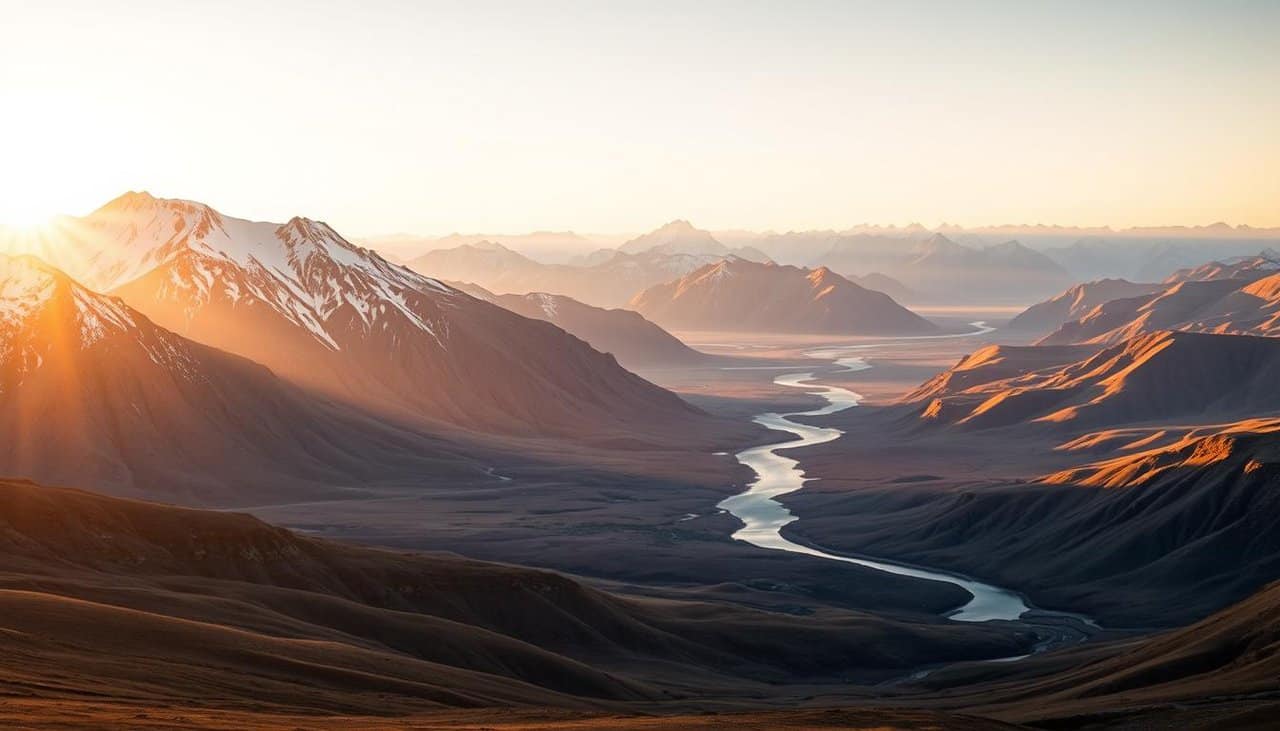
Have you ever wondered what it’s like to experience the untouched wilderness of Alaska? Kobuk Valley National Park offers a unique adventure, but finding the right place to stay nearby can be a challenge. This guide will help you navigate your options for a memorable trip.
Located in northern Alaska, this park is famous for its Great Kobuk Sand Dunes and rich cultural history. While there are no public lodging facilities within the park, nearby towns and backcountry camping provide incredible opportunities for visitors. Whether you’re planning a day trip or an extended stay, this article will give you the info you need to make the most of your time.
From the rugged beauty of the sand dunes to the serene Kobuk River, this area is perfect for those seeking solitude and adventure. Learn about the best ways to explore this remote destination and discover why it’s a must-visit for nature enthusiasts.
Key Takeaways
- Kobuk Valley National Park has no public lodging; camping is the primary option.
- Nearby towns like Kotzebue offer accommodations for visitors.
- The Great Kobuk Sand Dunes are a highlight of the park.
- Summer and early fall are the best times to visit for caribou migration.
- Visitors must bring their own supplies for camping and exploration.
Discover the Unique Backcountry Experience
Step into a world where nature remains untouched and wild. Kobuk Valley National Park offers a backcountry experience unlike any other. With no designated campsites, you have the freedom to choose your own spot, surrounded by breathtaking landscapes and the sounds of nature.
Explore Remote Camping Spots
Camping in this area means immersing yourself in a truly remote environment. The Great Kobuk Sand Dunes, one of the park’s highlights, provide a unique backdrop for your adventure. You’ll find yourself in a place where the only footprints might be your own.
For a deeper connection with nature, consider camping near the Kobuk River. This slow-moving river offers a serene setting, perfect for reflection and wildlife observation. July, August, and early September are the best months for a safe and enjoyable float trip.
Embrace the Untouched Wilderness
Embracing the untouched wilderness here requires preparation and respect for the environment. Pack all your gear in and out, leaving no trace behind. Animal-resistant food containers are available at the Northwest Arctic Heritage Center in Kotzebue, ensuring your safety and the protection of wildlife.
This park is a haven for those seeking solitude and adventure. With over 1.7 million acres of unspoiled land, you’ll feel like you’ve stepped into another world. For more insights on planning your trip, check out this detailed guide.
Best Places To Stay By Kobuk Valley National Park
Exploring the remote beauty of Alaska’s wilderness starts with finding the right place to rest. While the park itself doesn’t offer lodging, nearby towns and rustic retreats provide the perfect base for your adventure. From cozy cabins to scenic lodges, you’ll find options that blend comfort with the rugged charm of the Arctic.
Cozy Cabins & Scenic Lodges
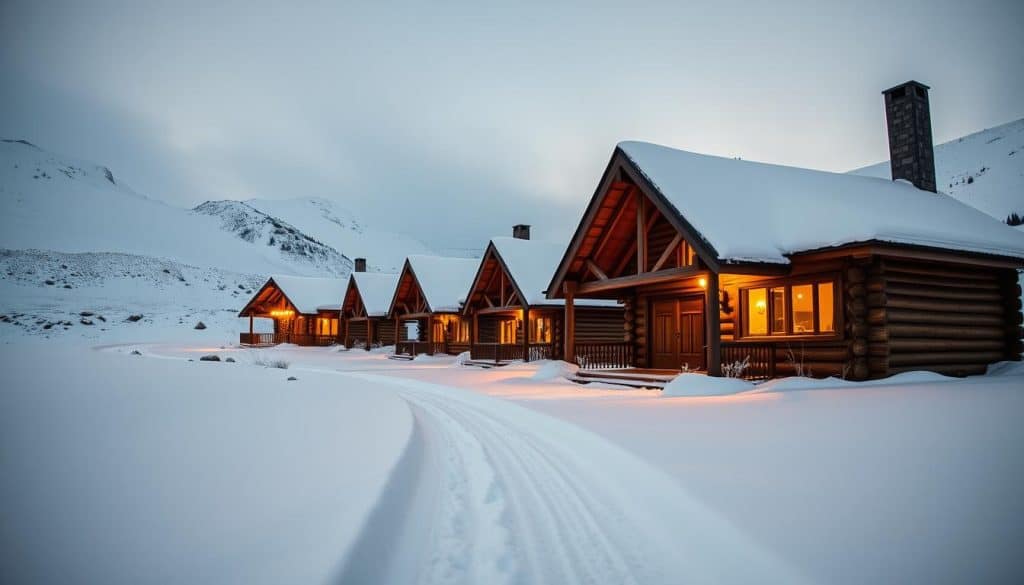
For a truly immersive experience, consider staying in a cozy cabin near Onion Portage. These retreats offer stunning views of the Jade Mountains and are ideally located to witness the annual caribou migration. Giddings’ Cabin, a historic site, is a popular choice for visitors seeking a blend of comfort and cultural significance.
Scenic lodges near the Great Kobuk Sand Dunes provide another excellent option. These accommodations offer panoramic views of the dunes and are perfect for those who want to explore the park’s natural marvels. Many lodges also offer guided tours and activities, making your trip even more memorable.
Popular Destinations: Sand Dunes and Onion Portage
The Great Kobuk Sand Dunes are a must-see for any visitor. Spanning over 25 square miles, these dunes are among the largest in North America. Staying nearby allows you to experience their unique beauty at sunrise or sunset, when the light transforms the landscape.
Onion Portage, another highlight, is a prime spot for wildlife enthusiasts. The area is known for its caribou crossings and offers a serene setting for reflection. Cabins here provide easy access to the Kobuk River, where you can enjoy a peaceful float trip during the summer months.
| Accommodation Type | Location | Highlights |
|---|---|---|
| Cozy Cabins | Onion Portage | Caribou migrations, Jade Mountain views |
| Scenic Lodges | Near Sand Dunes | Panoramic dune views, guided tours |
| Historic Cabins | Giddings’ Cabin | Cultural significance, rustic charm |
Balancing comfort with the rugged outdoor experience is key. Pack wisely, as supplies in nearby villages like Ambler and Kiana are minimal. Whether you choose a cabin or lodge, these accommodations ensure you’re well-rested and ready to explore the wonders of Kobuk Valley.
Planning Your Remote Adventure
Preparing for a remote adventure in Alaska’s wilderness requires careful planning and the right gear. Kobuk Valley National Park offers unparalleled beauty, but its rugged terrain and unpredictable weather demand thorough preparation. Whether you’re camping near the Great Kobuk Sand Dunes or exploring the Kobuk River, having the essentials ensures a safe and enjoyable trip.
Essential Gear and Preparation
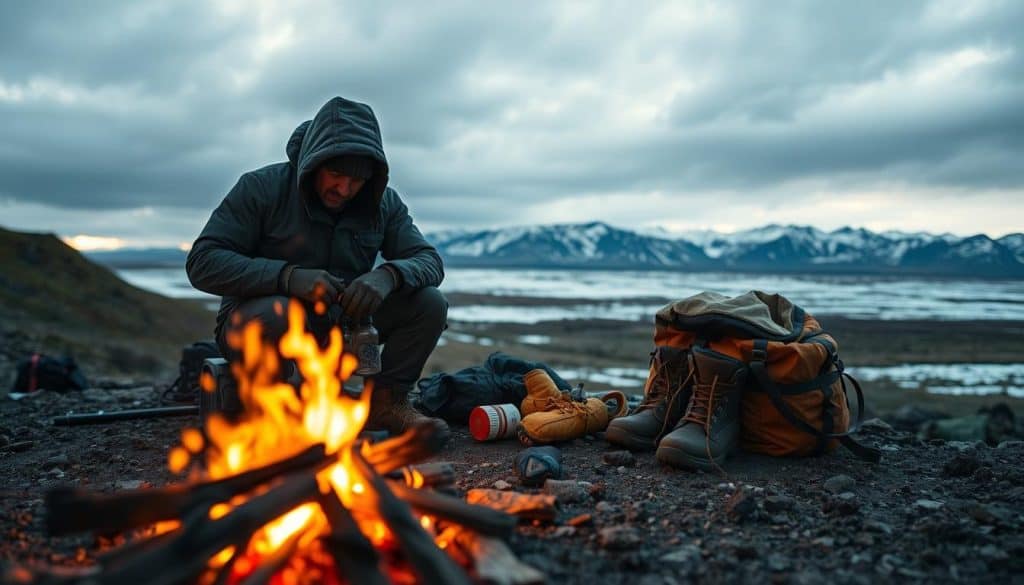
Packing the right gear is crucial for any backcountry adventure. Here’s what you’ll need:
- Navigational tools: Maps, a compass, and a GPS device are essential for navigating the park’s vast, unmarked terrain.
- Bear spray: This is a must for safety, as the area is home to wildlife like bears and wolves.
- Proper clothing: Layered clothing is key to handling sudden weather changes. Waterproof gear is also recommended.
- Bear-safe storage: Use animal-resistant food containers, available at the Northwest Arctic Heritage Center in Kotzebue.
Thorough preparation ensures you’re ready for the challenges of this remote environment. For more tips on planning your trip, check out this guide on RV parks.
Navigating Permits and Local Guidelines
While independent travelers don’t need permits, organized groups must obtain one from the National Park Service. Here’s what you need to know:
| Requirement | Details |
|---|---|
| Permits for Groups | Required for commercial guides or organized recreational groups. |
| Local Guidelines | Follow Leave No Trace principles to protect the park’s natural beauty. |
| Contact Info | Reach out to the Northwest Arctic Heritage Center for updated conditions and advice. |
Proper planning ensures a memorable and safe adventure in this remote natural setting. Always check with local centers for the latest guidelines before your trip.
Conclusion
Kobuk Valley National Park offers a rare chance to disconnect and immerse yourself in nature. Whether you choose backcountry camping or local lodging, the experience is unforgettable. The Great Kobuk Sand Dunes and the serene Kobuk River provide a backdrop for adventure and reflection.
Proper planning is key to a successful trip. Pack essential gear like navigational tools, bear spray, and layered clothing. Follow local guidelines and obtain permits if needed. These steps ensure your safety and help protect the park’s pristine environment.
For the latest info, visit the Northwest Arctic Heritage Center or check online resources. This guide has equipped you with everything you need to prepare for your journey. Embrace the untouched wilderness responsibly, leaving no trace behind.
Your adventure in this remote area promises solitude and wonder. Enjoy the unique beauty of Kobuk Valley National Park while respecting its natural and cultural heritage.
FAQ
What are the best options for accommodations near the park?
You’ll find cozy cabins and scenic lodges nearby, offering comfort after a day of exploring. Some popular spots include areas close to the sand dunes and Onion Portage.
Can I camp inside the park?
Yes, remote camping spots are available for those seeking a true backcountry experience. Make sure to prepare for the untouched wilderness and follow all guidelines.
What should I pack for my trip?
Essential gear includes sturdy hiking boots, weather-appropriate clothing, and plenty of water. Don’t forget navigation tools and a first-aid kit for safety.
Are permits required for visiting?
Yes, certain activities may require permits. Check with the visitor center or official park info for details on local guidelines before your trip.
How do I get to the park?
Access is primarily by air or boat, as there are no roads leading directly to the area. Plan your transportation in advance for a smooth journey.
What’s the best time to visit?
Summer months are ideal for warmer weather and longer days. However, if you’re up for a challenge, winter offers a unique, snowy experience.