

When winter comes, the national parks in the United States show off their quiet beauty. They offer unique experiences away from the summer crowds. With snow-covered forests and clear skies perfect for stargazing, these places have a special charm for those who love the cold.
Winter travel to national parks can lead to stunning views and close wildlife encounters. These animals move through the frosty landscape with ease.
With some planning, you can enjoy winter sports, take amazing photos, and enjoy the peace and quiet. Parks like Yosemite and Bryce Canyon look different in winter, inviting adventurers to explore.
In this guide we’ll cover some of our favorite parks when we visited in the winter of 2021.
By the way, we also have guides on the best parks to visit in December, the best national parks to see in January and also the top picks for a February national park vacation.
Key Takeaways
- The serene landscapes of national parks during winter offer peace and unique beauty.
- Winter activities in national parks provide opportunities for skiing, snowshoeing, and much more.
- Unforgettable snowy escapes await at parks like Bryce Canyon and Yosemite.
- National parks winter travel includes fewer crowds and crisp, breathtaking vistas.
- Proper planning for road conditions and safety is essential for a successful winter park visit.
Arches National Park, Utah
Arches National Park in southeastern Utah turns into a winter wonderland. The mix of white snow, red rocks, and blue skies creates a magical scene. Visiting in winter is a unique experience.
Scenic Winter Landscapes
Winter at Arches National Park is perfect for best winter hikes in national parks. The quiet and the stunning contrast of snow and red rocks make great photos. With about 2,000 natural arches, each covered in snow, the views are stunning.
Exploring Delicate Arch in Snow
Hiking to Delicate Arch is a highlight. The 3-mile trail gains almost 500 feet and offers a unique view. Snow makes the hike serene and special. But, the trail can be icy, so bring winter gear.
Winter Safety Tips
Staying safe is key when exploring national parks in the winter. Temperatures can drop from 30 to 50 degrees Fahrenheit at night. Weather can change fast, so check trail and road conditions often.
Be ready with winter clothes, sunglasses, and sunscreen. Also, have winter driving gear. The Devil’s Garden Campground is a good choice, open on a first-come, first-served basis for $25 a night.
Mount Rainier National Park, Washington
Mount Rainier National Park is a winter wonderland famous for its heavy snowfall. It’s a top spot for winter activities and breathtaking views. Exploring this park in winter is a unique and exciting adventure.
Winter Activities
At Mount Rainier National Park, you can enjoy snowshoeing, cross-country skiing, winter camping, and snowboarding. Paradise is one of the snowiest spots on Earth, perfect for these activities. Whether you want peaceful snowshoe hikes or thrilling snowboarding, the park has it all.
Best Times to Visit Paradise
The best winter visits to Paradise are when the snow is fresh and the skies are clear. Most park roads close due to snow, but the road from the Nisqually Entrance to Longmire stays open all year. The road to Paradise opens on weekends after plowing each morning.
Always check the weather before you go to make the most of your visit to this winter wonderland.
Snow Safety Gear
With so much snow, having the right gear is key. From November 1 to May 1, all vehicles must have tire chains in the park. Traction tires are good for snowy or icy spots, and chains for deep snow.
It’s important to stay warm and dry to avoid getting hypothermia or frostbite. Don’t forget the Winter 10 Essentials for a safe and fun time in Mount Rainier National Park.
Bryce Canyon National Park, Utah
Bryce Canyon National Park sits at 8,000 feet and turns into a winter wonderland. The “hoodoos” look even more amazing against the snow. It’s a top spot for winter photography.
Winter at Bryce Canyon is more than just looking at views. You can snowshoe on all trails. Cross-country skiing is allowed above the rim but not down into the canyon. Ranger-led snowshoe tours are also available, lasting about 1.5-2 hours and covering a mile.
When exploring icy trails, safety is key. We suggest using crampons for traction on popular trails. Two park roads are closed in winter, and some trails, like the Navajo Loop, are shut for safety.
Winter stargazing at Bryce Canyon is special. The clear air and little light pollution make it great for seeing stars. The park offers full moon snowshoe hikes and astronomy programs for stargazers.
The Winter Festival over President’s Day weekend is a highlight. It celebrates the park’s winter beauty with various activities. It’s ideal for those who love winter sports or just want to enjoy nature.
Planning a longer trip? Sunset Campground closes from November to April, but North Campground stays open all year. The Lodge at Bryce Canyon and its dining room close in winter, but you can stay at the Sunset Lodge Unit. Some restrooms in the park also close in winter.
Daytime highs in Bryce Canyon are just above freezing, but it can get as cold as -26 degrees Fahrenheit. The park gets about 100 inches of snow a year, most from December to February.
Bryce Canyon National Park is unforgettable in winter. Its snowy beauty and activities make it a top winter destination.
| Activities | Availability | Recommendations |
|---|---|---|
| Snowshoeing | Allowed on all trails | Use traction devices |
| Cross-Country Skiing | Permitted above the rim | Avoid skiing into the canyon |
| Winter Stargazing | Year-round | Utilize park’s astronomy programs |
Let’s explore Bryce Canyon National Park this winter. Remember the safety tips and get ready for an amazing winter adventure.
Yosemite National Park, California
Yosemite in winter is a magical sight, offering a new view of its famous spots. The snow and quiet make it great for winter park visits. Let’s look at what you can see and do in Yosemite during this special time.
Winter Access and Road Conditions
Getting to Yosemite in winter means planning, as roads change often. Tioga Pass closes from November to late May or early June. But, the main valley areas are open. Roads to Wawona and Yosemite Valley are kept clear for winter visitors.
There are rules to follow, like using tire chains on snowy roads from November to March. The Hetch Hetchy area is open daily, letting you explore safely. Crane Flat, 16 miles from Yosemite Valley, has winter trails for cross-country skiing. The Wawona Hotel, from the Victorian era, welcomes guests during the holidays before closing in January.

Top Winter Photography Spots
Photographers love Yosemite in winter. The Yosemite Falls Trail is a must-see, with its 7.2 miles and 2,700 feet of elevation gain. Glacier Point offers stunning views of Half Dome and the Valley below.
February is special with “Firefall,” where Horsetail Fall glows at sunset. Mariposa Grove in Wawona, with its giant sequoias, is perfect for photos too.
Winter Sports Opportunities
Yosemite is great for winter sports. The Badger Pass Ski Area is open from mid-December to mid-March. They offer snowshoe rentals, guided tours, and cross-country skiing gear.
The Tuolumne Meadows Ski Hut is open for cross-country skiing. Badger Pass has the Nordic Center for snowshoe adventures. You can ski, snowshoe, or ice skate at Curry Village’s rink from mid-November to mid-March.
Rangers lead snow sports tours, perfect for exploring the park in winter. The Bracebridge Dinner at the Ahwahnee Hotel is a tradition since 1927, adding to Yosemite’s winter charm.
The Best National Parks to Visit in Winter
Winter in national parks is magical, with fewer people and unique adventures. Many parks are perfect for winter, offering beautiful landscapes and exciting activities. They also bring a peacefulness that’s special in the cold months.
Yellowstone National Park is a top winter spot, covering parts of Idaho, Montana, and Wyoming. It was America’s first national park in 1872. Here, you can enjoy snow-coach tours, skiing, and snowshoeing. The park is less crowded in winter, and you can see steaming geysers and snow-covered views.
Bryce Canyon National Park in Utah turns into a winter wonderland with most of its snowfall from December to March. Daytime temperatures are mild, making it great for hiking and taking photos. The park’s unique rocks covered in snow are perfect for adventurers and photographers.
Mount Rainier National Park in Washington is perfect for those who love extreme winter sports. It gets a lot of snow, once setting a world record. This means great conditions for skiing, snowshoeing, and snowboarding.
Denali National Park in Alaska offers a unique experience with short days in winter. You can see the Northern Lights and wildlife. The park’s beauty and cold make it ideal for those seeking peace and untouched nature.
Rocky Mountain National Park in Colorado is great for winter camping. It has high elevations and offers skiing, snowshoeing, and sledding. Campers can enjoy the park’s snowy beauty and try different winter sports.
These parks are perfect for those who love the quiet of snow or the thrill of winter sports. Winter in national parks gives you memories and views you won’t forget. So, get your warm clothes ready and explore these winter wonders!
Denali National Park, Alaska
Denali National Park’s vast wilderness shines in the Alaskan winter. From late September to early May, it offers many winter activities for the adventurous. These activities make it a top spot for winter travel in national parks.
Witnessing the Aurora Borealis
Seeing the Aurora Borealis in Denali is unforgettable. The northern lights fill the night sky with colors, creating a stunning view. The best time to see this is from mid-September to March. It’s a top choice for those who love winter travel in national parks.
Winter Wildlife Watching
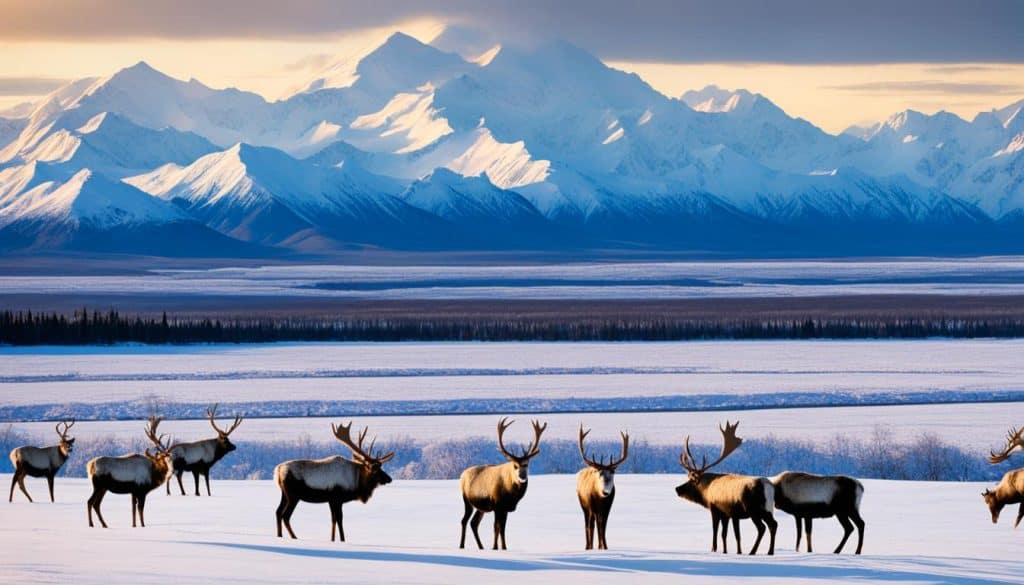
Winter is the best time to see wildlife in their natural setting. You can take snowshoe walks to spot animals like moose and caribou. The Sled Dog Kennels are open on weekends from 1 pm to 4 pm. Here, you can get close to these tough animals.
Staying Warm in Extreme Cold
Temperatures in Denali can drop to -40°F. It’s important to have the right gear. You can borrow snowshoes and ice grippers at the Winter Visitor Center. But, you’ll need to bring or rent other equipment. The cold weather is a big part of what makes Denali special in winter.
Denali’s Winterfest Celebration in February is a highlight. It features snow sculptures, ice carvings, and dog sledding. This event shows why Denali is great for winter activities in national parks.
Grand Canyon National Park, Arizona
The Grand Canyon in winter is a hidden gem. With fewer people and mild weather, it’s perfect for a quiet visit. The North Rim closes from December 1 to May 14, but the South Rim stays open. It’s a great time to explore without the crowds.
After the December holidays, the park gets quieter. You’ll find fewer people on trails and less traffic on scenic drives. The South Rim’s trails are ideal for winter hikes. Look out for wildlife like mule deer, elk, and California condors, all dressed in their winter coats.
Being prepared is key for winter adventures here. Bring flashlights, first aid kits, extra clothes, and any needed meds. The South Rim, at 7,000 feet, has cold temperatures and varying snow conditions. You’ll need good winter gear and boots for the trails.
You can book spots at Mather Campground and Trailer Village RV Campground through recreation.gov. SR64 from Williams, AZ, to Grand Canyon Village is open all year, but watch out for closures in heavy snow. Hermit Road might be closed for up to two days.
Photographers will love the snow-covered ridges and fog at sunrise. Sunrise and sunset times offer beautiful views in a peaceful setting. The National Park Service Mobile App is a great tool for winter hikers.
“The Grand Canyon reveals its quieter, peaceful side in winter, encouraging us to explore national parks in the winter like never before.” – National Park Service
There are also virtual tours and GPS treasure hunts to enjoy. Whether you’re hiking or just taking in the views, the Grand Canyon is unforgettable in winter.
Yellowstone National Park, Wyoming
Yellowstone National Park is the first national park in the country. It’s a dream spot for winter adventurers. Temperatures range from zero to 20°F (-20°C to -5°C) during the day. At night, it gets even colder.
Most roads in the park close in winter, but one road stays open all year. This road connects the North and Northeast entrances. It makes winter camping here extra peaceful.
From mid-December to mid-March, you can explore Yellowstone on snowmobiles and snow-coaches. These tours let you see geysers, frozen valleys, and lots of wildlife. It’s a unique way to see the park.
Only two lodges are open in winter: the Old Faithful Snow Lodge and the Mammoth Hot Springs Hotel. They offer a warm place to stay in the cold wilderness. It’s a great mix of nature and comfort.
You can join guided snowmobile tours from different entrances. For example, you can go through the South Entrance or the East Entrance. If you like to go it alone, there’s a program for snowmobiles for people 18 and older.
For snow-coach tours, it’s best to book with Teton Science Schools, Inc., Scenic Safaris, or Yellowstone National Park Lodges. These tours take about four hours and show you the park’s beauty.
The winter season in Yellowstone is from November to April. You can enjoy snowshoeing, cross-country skiing, and snowmobiling. Just remember, most roads close by early March. They reopen in late April, if the weather allows.
Zion National Park, Utah
Zion National Park in Southern Utah shows its calm, peaceful side in winter. Winter brings a unique beauty to the park, with red rock canyons covered in snow and cliffs with stalactites. It’s perfect for those who want adventure and quiet, offering great winter sports and hikes.
Winter Canyoneering
Winter in Zion National Park is great for canyoneering. It’s both challenging and rewarding to navigate snow-covered canyons. But, make sure you’re well-prepared with the right gear and knowledge of winter conditions. With fewer visitors, you get a more personal and quiet canyoneering experience.
Trail Safety in Winter
Staying safe on trails in Zion National Park in winter is key. Daytime temperatures are around 50-60°F, but it gets freezing at night. You should wear warm layers, use traction devices on icy spots, and tell someone your hiking plans.
The trails, some of the best for winter hikes, can be slippery with snow and ice. Be careful, especially at higher elevations. Zion offers a peaceful landscape in winter, away from the crowds of summer. Always check for trail closures due to hazards like falling ice and stay updated on conditions. Enjoy the quiet beauty of Zion, but always put safety first.
Rocky Mountain National Park, Colorado
Colorado’s Rocky Mountain National Park is a winter wonderland. It offers many activities that take advantage of its high elevations and deep snow. This park is a top spot for winter lovers.
The Hidden Valley area is 7 miles from the park’s entrances. It’s the only spot inside the park where sledding is allowed. Visitors love it for the fun sledding, but remember, no sleds with metal runners are allowed. You can bring your own plastic sleds or rent them outside the park.
Rocky Mountain National Park has lots of winter sports opportunities. Backcountry skiing and snowshoeing are favorites. The park’s trails are covered in snow, making them perfect for snowshoeing. You can join free Ranger-led Snowshoe Walks from January to March.
There are also chances for cross-country skiing, especially on the west side. You can rent gear in towns like Estes Park and Grand Lake. Snowshoes and skis are available for rent.
Be ready for changing weather, especially above 9,000 feet. Winter means fewer people and a peaceful visit. Trails like Nymph Lake, Emerald Lake, and Dream Lake offer beautiful views and a calm setting.
For those who prefer a slower pace, the park is great for photography, bus tours, and wildlife watching. You can see elk and deer near Bear Lake Road and the Fall River Entrance. It’s a perfect spot for wildlife photos and watching.
Rocky Mountain National Park offers adventure and quiet moments this winter. With fewer people, many activities, and stunning landscapes, it’s a top winter destination.
Conclusion
The winter season turns America’s national parks into serene and unique places. Bryce Canyon’s snow-covered hoodoos and Zion National Park’s quiet trails are just the start. Each park has its own special charm, calling to those who love adventure and peace.
Yosemite’s snow-covered peaks and frozen waterfalls are stunning, but some areas might be hard to reach. Yellowstone stands out with its hot springs and geysers against the snow. The Pacific Northwest’s Olympic and Crater Lake are great for skiing and snowshoeing, perfect for those who want adventure and quiet.
The Rocky Mountains in winter are quiet and beautiful, away from the summer crowds. Denali offers a chance to see the northern lights in a peaceful setting. These parks are magical in winter, full of beauty and memories waiting to be made. If you’re planning a winter trip, consider visiting these parks for their stunning landscapes and snowy escapes. Happy exploring!
FAQ
What are the best national parks to visit in winter?
Top winter spots include Yosemite National Park, Yellowstone National Park, Grand Canyon National Park, and Bryce Canyon National Park. Each offers unique winter experiences.
What are some winter activities available in national parks?
You can enjoy snowshoeing, cross-country skiing, and snowboarding. There’s also winter camping, wildlife watching, and photography.
How can we stay safe while exploring national parks in the winter?
Stay safe by checking weather and road conditions. Use proper gear and clothing for the cold. Carry traction devices for your boots. Always know about trail closures and conditions.
Are there any guided tours available for winter adventures in national parks?
Yes, many parks offer guided tours and programs in winter. These include snowshoe hikes, wildlife watching tours, and astronomy programs.
What are some top winter photography locations in national parks?
Great spots for winter photos are Yosemite National Park and Arches National Park. Yosemite has snow-covered cliffs and trees. Arches has red rocks and white snow under blue skies.
Can we engage in winter camping at national parks?
Yes, you can camp in winter at parks like Yellowstone National Park and Rocky Mountain National Park. Remember to check park rules and pack the right gear for extreme cold.
What is special about visiting Bryce Canyon National Park in winter?
Bryce Canyon in winter shows snow against red hoodoos. It offers unique activities like full moon snowshoe hikes and astronomy programs.
When is the best time to visit Mount Rainier’s Paradise area during winter?
Visit Paradise at Mount Rainier when the snow is fresh and the skies are clear. This offers beautiful winter scenes perfect for snow activities.
What preparations are essential for visiting Denali National Park in the winter?
Bring extreme cold weather gear and be ready for -40°F temperatures. Always check road and trail conditions before heading out.
Why is Yosemite National Park a popular destination for winter sports?
Yosemite is great for winter sports with its snowshoe trails, the Badger Pass ski area, and stunning winter views. It’s a beautiful place for all winter activities.