
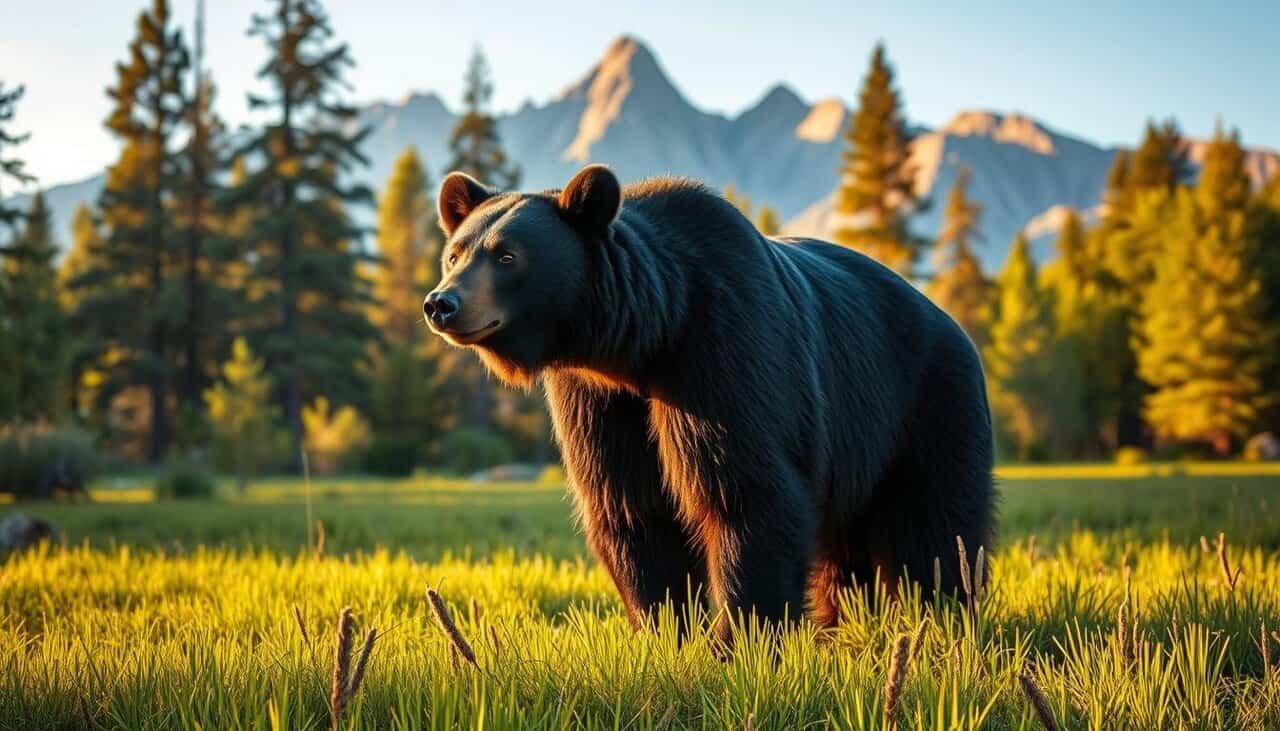
As I stepped into Yosemite National Park, I couldn’t help but wonder: would I see a bear during my visit? With approximately 300 to 500 black bears calling Yosemite home, the possibility is very real.
These magnificent creatures have long been a source of fascination for visitors and park managers alike. Understanding the bear population is crucial for both visitor safety and wildlife conservation efforts within the park boundaries.
As you explore Yosemite, it’s essential to be aware of the presence of these iconic animals and take necessary precautions to ensure a safe and enjoyable experience.
Key Takeaways
- Yosemite is home to a significant population of American black bears.
- Understanding bear behavior is crucial for visitor safety.
- The park has implemented conservation efforts to protect its wildlife.
- Visitors can minimize encounters with bears by taking necessary precautions.
- Yosemite’s national park status helps preserve its natural beauty and wildlife.
Yes, Black Bears Call Yosemite Home
As you explore Yosemite, keep in mind that black bears call this national park home. Yosemite National Park is renowned for its diverse wildlife, and among its most fascinating residents are the black bears that inhabit the area.
Population and Distribution
The park is home to a significant population of black bears. Estimates suggest that there are between 300 to 500 black bears within the park’s boundaries.
300-500 Black Bears in the Park
This sizable population is a result of the park’s vast wilderness areas and the bears’ adaptability to their surroundings. The National Park Service monitors the bear population to ensure a balance between the bears and the park’s ecosystem.
Where You’re Most Likely to Spot Bears
Bears are often spotted in areas with abundant food sources, such as berry patches and fish streams. Visitors should be aware of their surroundings and keep a safe distance if they encounter a bear.
Black Bears vs. Grizzly Bears
It’s essential to understand the difference between black bears and grizzly bears. Unlike grizzly bears, black bears are generally smaller and less aggressive.
No Grizzlies in Yosemite Today
Yosemite is no longer home to grizzly bears; the last known grizzly was killed in the early 1920s. The absence of grizzlies is a result of historical hunting and habitat loss.
Historical Context of Bears in the Park
Historically, grizzly bears were abundant in California, but they were systematically hunted and eliminated. Today, the National Park Service focuses on managing the black bear population within Yosemite.
Black Bear Biology and Behavior
As we explore the wilderness of Yosemite, understanding the biology and behavior of its black bear population becomes essential. You might be wondering what makes these creatures so fascinating. Let’s dive into the world of Yosemite’s black bears and uncover their secrets.
Physical Characteristics
The physical attributes of black bears in Yosemite are quite varied. They can weigh anywhere from 150 to 500 pounds, with their size and weight influenced by factors such as age, sex, and nutrition.
Size and Weight Variations
Black bears exhibit a range of sizes and weights. Males are generally larger than females, and their weight can fluctuate significantly based on the season and availability of food.
Color Variations Despite the Name
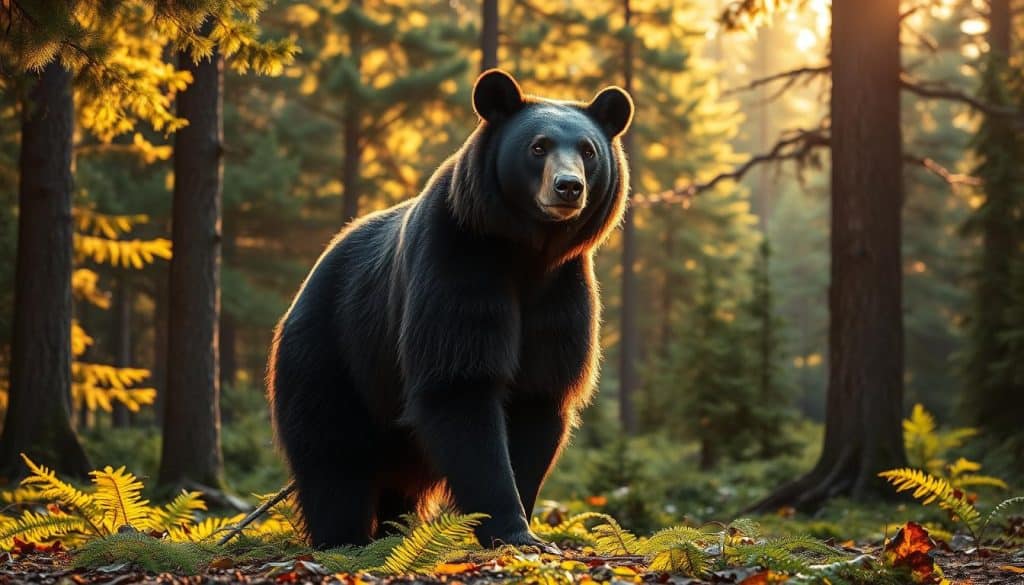
Despite being called “black bears,” these animals can display a range of colors, from black to blue-black, and even brown or cinnamon. This variation is a result of genetic diversity within the population.
Diet and Feeding Habits
The diet of Yosemite’s black bears is diverse and adaptable. They are omnivores, feeding on a wide range of plants, insects, and even small mammals. Their feeding habits change with the seasons, reflecting the availability of food sources.
Natural Food Sources
Black bears in Yosemite feed on various natural food sources, including nuts, berries, fish, and insects. They have an excellent sense of smell, which helps them locate food.
Seasonal Eating Patterns
Their diet varies significantly with the seasons. In the spring, they tend to eat grasses and plants, while in the fall, they focus on nuts and berries to prepare for hibernation.
Hibernation and Reproduction
Hibernation is a critical aspect of a black bear’s life cycle. During this period, their metabolism slows down, and they conserve energy. It’s also during hibernation that female black bears give birth to their cubs.
Winter Denning Behavior
Bears hibernate in various dens, such as hollow trees or under rock piles. Their hibernation is not a deep sleep; they can wake up periodically, especially during warmer winter days.
Cubs and Family Structure
Female black bears typically give birth to 1-3 cubs during hibernation. The cubs remain with their mother for about 16-17 months, learning essential survival skills before they separate.
Bear Management in Yosemite National Park
With the rise in bear activity, Yosemite National Park has intensified its bear management strategies to protect both visitors and bears. The park’s efforts are multifaceted, focusing on education, regulation, and conservation to minimize human-bear conflicts.
Evolution of Bear Management Practices
The approach to managing bear populations in Yosemite has evolved significantly over the years. Historically, the park faced issues related to the feeding of bears, which led to aggressive behavior among the bear population.
Historical Feeding of Bears
In the past, visitors would often feed bears, leading to negative consequences for both humans and bears. This practice was eventually banned, and educational programs were implemented to discourage the feeding of wildlife.
Modern Conservation Approaches
Today, Yosemite employs modern conservation approaches, including strict food storage regulations and the use of bear-resistant containers. As noted by park officials, “Proper food storage is crucial for preventing bear encounters.”
“The key to coexisting with bears is understanding and respecting their space,” said a Yosemite park ranger.
Human-Bear Conflicts
Despite these efforts, human-bear conflicts still occur, often due to improper food storage or disposal. Incidents include vehicle collisions and food-related encounters.
Vehicle Collisions
Vehicle collisions with bears are a significant concern, particularly in areas with high bear activity. Visitors are advised to be cautious while driving through the park, especially at night.
Food-Related Incidents
Food-related incidents are another major issue, often resulting from unsecured food or trash. For example, recent incidents in Curry Village highlighted the importance of properly securing food lockers. For more information on recent bear activity, visit this article.
Food Storage Regulations
To mitigate these risks, Yosemite enforces strict food storage regulations. In campgrounds and lodging areas, all food and scented items must be stored in provided metal lockers.
Campground and Lodging Requirements
Visitors are required to store their food and trash properly in designated lockers. This simple step can significantly reduce the risk of bear encounters.
Wilderness and Backcountry Precautions
For those venturing into the wilderness, bear-resistant food canisters are mandatory. These canisters are designed to protect both visitors and bears by preventing access to food.
| Area | Food Storage Requirement |
|---|---|
| Campgrounds | Metal food lockers |
| Lodging Areas | Metal food lockers |
| Wilderness/Backcountry | Bear-resistant food canisters |

Bear Safety: What to Do If You Encounter a Bear
As you explore Yosemite, being prepared for a bear encounter can make all the difference. You may not see a bear during your visit becausebears naturally avoid people. However, if you do encounter a bear, knowing how to react is crucial.
If a bear approaches you or if you are in adeveloped areasuch as a campground, picnic area, or parking lot, act immediately to scare it away. Yell aggressively and as loudly as possible until the bear leaves. If you’re with other people, stand together to present a more intimidating figure, but avoid surrounding the bear.
When inundeveloped areas, alwayskeep a safe distancefrom bears – at least 50 yards, or about the length of four shuttle buses. This helps prevent habituating them to human presence. For more information on bear safety and other wildlife encounters, you can visitother national parksthat are known for their wildlife.
To report a bear sighting, contact therangersby calling 209/372-0322, or call 911 if a bear is attempting to access human food or won’t leave a developed area. During your visit, you might witness rangers using aversive conditioning techniques to maintain bears’ natural fear of humans.
By being informed and taking the right precautions, you can enjoy Yosemite’s wilderness while respecting its wildlife. ThePark Service’sgoal is to maintain the natural fear bears have of people, protecting both visitors and bears. Every interaction between bears and people affects this delicate relationship, so it’s crucial to be mindful of your actions.
FAQ
What should I do if I encounter a black bear in Yosemite?
Stay calm and keep a safe distance. Back away slowly and do not run. Make yourself look bigger by standing up straight and spreading your arms. Avoid direct eye contact and do not approach the bear.
How can I prevent attracting black bears to my campsite or picnic area?
Store food and trash properly by using bear-proof containers or hanging food and trash bags at least 10 feet off the ground and 4 feet out from the trunk. Keep a clean campsite and avoid leaving food or scented items unattended.
What are the most common food sources for black bears in Yosemite?
Black bears in Yosemite primarily feed on plants, nuts, and insects. In the fall, they often forage for acorns, which are a staple in their diet. They may also be attracted to human food if it’s not stored properly.
How does the National Park Service manage black bear populations in Yosemite?
The National Park Service implements various bear management practices, including educating visitors about bear safety, enforcing food storage regulations, and monitoring bear activity. Rangers also work to prevent human-bear conflicts by closing areas with high bear activity.
Can I feed black bears in Yosemite?
No, feeding black bears or any wildlife in Yosemite is strictly prohibited. Feeding bears can make them dependent on human food and lead to aggressive behavior, posing a risk to both humans and bears.
What is the typical size of a black bear in Yosemite?
Adult black bears in Yosemite typically weigh between 150-500 pounds, with males being larger than females. Their size can vary depending on factors such as food availability and age.