
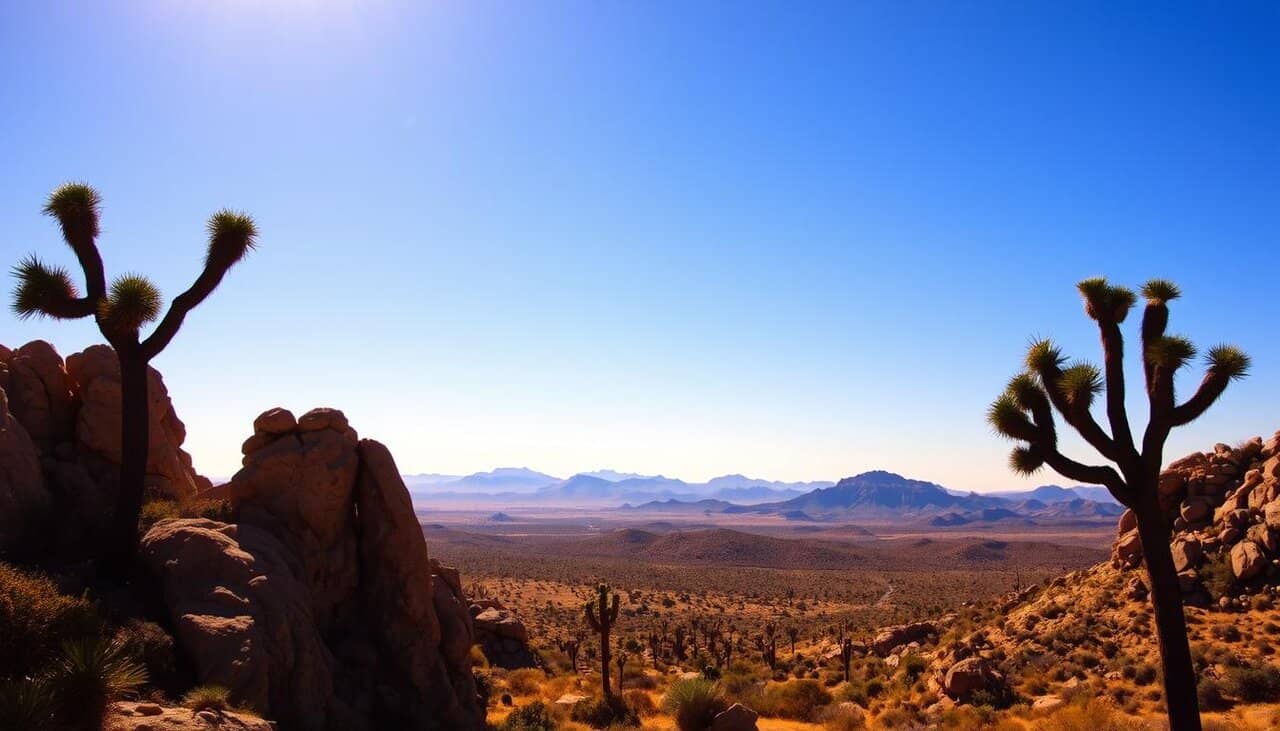
As I stepped into Joshua Tree National Park, I was struck by its vast desert landscapes and unique rock formations. Located in southeastern California, this national park is a haven for outdoor enthusiasts and nature lovers.
The park’s diverse ecosystem is home to over 1,200 plant species, including the iconic Joshua trees, and a variety of wildlife such as the desert tortoise and bighorn sheep. As a visitor, you might wonder about the presence of bears in this beautiful park.
As we explore the park’s natural wonders, it’s essential to understand the wildlife that inhabits this unique environment. In this article, we’ll delve into the facts about wildlife in Joshua Tree National Park, including the question on every visitor’s mind: are there bears in the park?
Key Takeaways
- Understanding the ecosystem of Joshua Tree National Park
- Facts about wildlife in the park
- Safety tips for visitors
- How to make the most of your visit to Joshua Tree
- Insights into the park’s unique desert landscapes
The Unique Landscape of Joshua Tree National Park
Joshua Tree National Park is a unique destination that offers a blend of natural beauty and harsh desert conditions. As you plan your visit to this fascinating national park, understanding its landscape and climate is essential.
Location and Formation of the Park
Joshua Tree National Park is located in southeastern California, where it covers an area of approximately 790,635 acres. The park’s unique landscape was formed through a combination of geological processes, including tectonic activity and erosion. This has resulted in the distinctive rock formations and Joshua trees that characterize the park.
| Geological Feature | Description |
|---|---|
| Joshua Trees | Iconic trees that give the park its name |
| Rock Formations | Unique formations created through erosion |
| Desert Landscape | Harsh conditions with limited vegetation |
The Meeting of Two Deserts: Colorado and Mojave
The park is situated at the intersection of the Colorado and Mojave Deserts, creating a unique environment that supports a diverse range of flora and fauna. This convergence of two deserts results in a fascinating ecosystem that is worth exploring.
Climate and Best Times to Visit
The climate in Joshua Tree National Park is characterized by extreme temperatures, with summer days often reaching above 100°F and dropping dramatically at night. The best times to visit are typically during the spring and fall when temperatures are more moderate. Winter brings cooler temperatures, ideal for hiking and rock climbing, though nights can be quite cold. It’s essential to plan your visit according to the time of day and season to make the most of your experience.
For example, during the hotter months, it’s advisable to engage in early morning or evening activities to avoid the intense heat. Additionally, the park’s stargazing opportunities are exceptional year-round due to the clear desert air and minimal light pollution, making night visits worthwhile regardless of the season.
Are there bears in the Joshua Tree?
One of the most common questions about Joshua Tree National Park is whether bears inhabit this unique desert landscape. As a visitor, it’s natural to be curious about the wildlife you might encounter during your stay.
While Joshua Tree is known for its diverse wildlife, the presence of bears is not as common as in other national parks. However, understanding the facts about bear sightings and how to behave if you encounter one is crucial for a safe visit.
Bear Sightings in Joshua Tree: Facts and Frequency
Bear sightings in Joshua Tree National Park are relatively rare. According to the National Park Service, the park is not a typical habitat for bears due to its desert environment. However, it’s not unheard of to see bears, especially in areas where the Mojave and Colorado Deserts meet, creating a unique ecosystem that can occasionally support a bear population.
The frequency of bear sightings is low, but when they do occur, it’s often in areas with more vegetation or near water sources. Visitors should be aware that while encounters are rare, they can happen, and being prepared is key.

Why Bears Are Uncommon in Desert Environments
Bears are generally found in areas with abundant food and water, typically in forests or mountainous regions. The desert environment of Joshua Tree National Park is not ideal for bears due to the scarcity of food and water. As a result, bears are not native to this area and are infrequent visitors.
The harsh desert climate and lack of suitable habitat make it challenging for bears to survive for extended periods. This is why sightings are so rare and often garner significant attention when they do occur.
What to Do If You Encounter a Bear
If you encounter a bear in Joshua Tree National Park, it’s essential to remain calm and follow the guidelines provided by the National Park Service. First, maintain a safe distance – at least 100 yards – and never approach the bear.
If a bear notices you, speak in a calm, firm voice, and slowly back away without running. Making yourself appear larger by raising your arms or standing with others can also help deter the bear. It’s crucial to report any bear sightings to park rangers immediately to ensure visitor safety and monitor wildlife activity.
By being informed and prepared, you can enjoy your visit to Joshua Tree National Park while respecting the wildlife that calls it home.
Common Wildlife You Will Actually See in Joshua Tree
As you explore Joshua Tree National Park, you’ll discover a diverse range of wildlife that has adapted to the harsh desert environment. The park’s unique landscape supports a wide variety of species, from mammals and reptiles to birds and nocturnal creatures.
Desert Mammals: Coyotes, Bighorn Sheep, and Rodents
Joshua Tree is home to a variety of desert mammals, including coyotes, bighorn sheep, and several species of rodents. Coyotes are common in the park and can often be seen roaming the desert landscape. Bighorn sheep, on the other hand, are more elusive, but can be spotted scaling the park’s rocky outcroppings. Rodents like kangaroo rats and pocket mice are also abundant, but tend to be more active at night.
| Mammal | Description | Activity Pattern |
|---|---|---|
| Coyote | Adaptable canine, often seen roaming the desert | Day and Night |
| Bighorn Sheep | Iconic desert dweller, known for climbing abilities | Day |
| Kangaroo Rat | Small rodent with powerful jumping ability | Night |
Reptiles and Birds of Joshua Tree
The park is also home to a diverse range of reptiles and birds. Reptiles like rattlesnakes, lizards, and tortoises are common, while birds like ravens, roadrunners, and hawks can be seen soaring overhead. The park’s unique landscape provides a habitat for a wide range of species, from the tiny hummingbird to the majestic golden eagle.
Nocturnal Creatures: What Comes Out After Dark
As the sun sets over Joshua Tree, a whole new world of wildlife emerges. Nocturnal creatures like bats, owls, and bobcats become active, taking advantage of the cooler temperatures and reduced competition. The park is home to 16 species of bats, which emerge at dusk to feed on insects. Visitors can experience the park’s nocturnal wildlife by taking a guided night hike or simply spending some time outside their campsite after dark.
To make the most of your nighttime adventure, be sure to bring a red light flashlight to preserve your night vision, and consider using a pair of binoculars to spot wildlife in the distance. By respecting the park’s wildlife and their habitats, you can help ensure that these incredible creatures continue to thrive in Joshua Tree National Park.
Wildlife Adaptations to Desert Life
Life thrives in Joshua Tree National Park, where animals have developed remarkable strategies to cope with the desert’s extreme conditions. The park’s unique landscape, where the Colorado and Mojave Deserts meet, supports a diverse range of wildlife.
One of the key challenges for desert wildlife is conserving water. Many animals have evolved unique physiological and behavioral adaptations to minimize water loss. For example, some species can go without drinking water for extended periods, obtaining moisture from their food instead.
How Desert Animals Conserve Water
Desert animals have developed various strategies to conserve water. Some species, like the kangaroo rat, can survive without drinking water at all, relying on metabolic water production. Others, such as the mule deer, stay near water sources to drink regularly.
| Animal | Water Conservation Method |
|---|---|
| Kangaroo Rat | Metabolic water production |
| Mule Deer | Drinking from water sources |
| Round-tailed Ground Squirrel | Aestivation during summer |
Temperature Regulation Strategies
Desert animals also face the challenge of regulating their body temperature. Many species have developed strategies to cope with the extreme temperatures. For example, some small mammals are nocturnal, spending the day in cool burrows and emerging at night when it’s cooler.
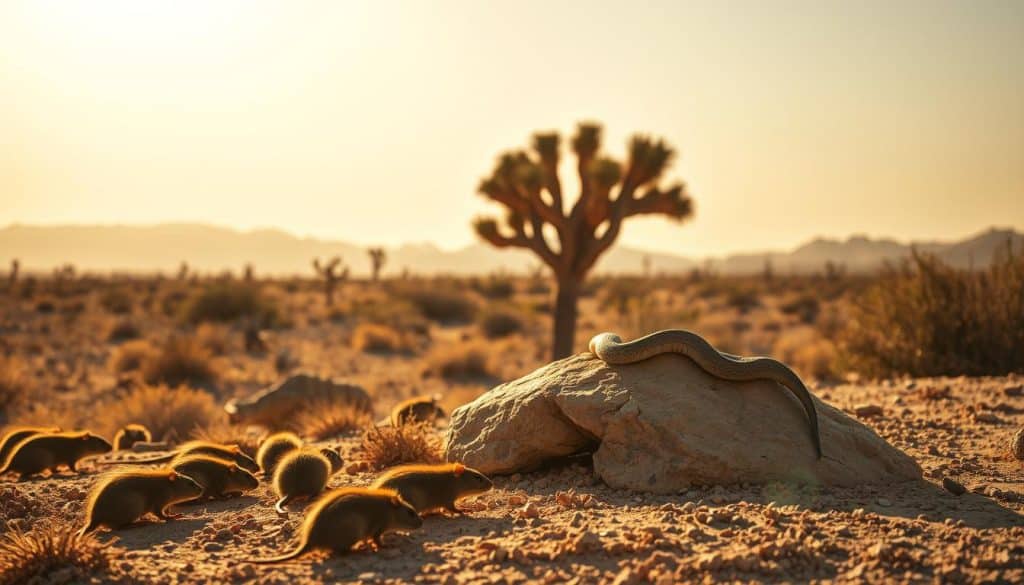
Larger mammals, like bighorn sheep and mule deer, manage temperature regulation through behavioral adaptations, seeking shade during the hottest parts of the day. Reptiles, being ectothermic, use the environment to regulate their body temperature, basking in the morning sun and seeking shade when temperatures rise too high.
These adaptations are crucial for survival in the desert environment of Joshua Tree National Park. By understanding these strategies, visitors can better appreciate the resilience of the park’s wildlife.
Visitor Safety and Wildlife Encounters
As you explore the unique landscape of Joshua Tree, understanding visitor safety is crucial. The park’s beautiful desert environment can be harsh, with extreme temperatures and limited water sources. Being prepared is key to a safe and enjoyable visit.
Food Storage and Campsite Management
Proper food storage is essential to avoid attracting wildlife to your campsite. In Joshua Tree National Park, it’s recommended to store food and trash in airtight containers and keep them away from your campsite. This simple precaution can significantly reduce the risk of wildlife encounters.
Proper Distance and Behavior Around Wildlife
Maintaining a safe distance from wildlife is vital. Keep a safe distance from animals like coyotes, bighorn sheep, and rodents. Never approach or feed them, as this can lead to negative consequences for both you and the animals. Stay safe, and stay back! As a general rule, keep at least 25 feet between you and wildlife.
What to Pack for Wildlife Safety
Packing the right gear can make a big difference in ensuring your safety while exploring Joshua Tree. Here are some essentials to include:
- Adequate water (at least 1 gallon per person per day) and a water filter or purification tablets as a precaution
- Light-colored, loose-fitting clothing that provides sun protection and allows for airflow
- A first aid kit with items specific to desert injuries, such as tweezers for cactus spines
- A fully charged phone and a paper map as a backup
- Binoculars for viewing wildlife from a safe distance
- Sun protection essentials like high-SPF sunscreen, wide-brimmed hats, sunglasses, and buffs or neck gaiters
- Closed-toe shoes with good traction for navigating rocky terrain
- A flashlight or headlamp, even on day hikes, in case you are out after dark
As the park’s resources remind us, “Preparation is the key to a safe and enjoyable visit.” By being mindful of your surroundings and taking the necessary precautions, you can have a memorable and safe experience in Joshua Tree National Park.
Exploring Joshua Tree Safely: Tips for an Unforgettable Visit
As you prepare to explore the breathtaking beauty ofJoshua Tree National Park, here are some essential tips to ensure your visit is both safe and memorable. To make the most of your time in the park, consider visiting during the early morning or late afternoon when wildlife is most active.
For a great hiking experience, try theHidden Valley Trail, a 1.5-mile loop that’s perfect for families and offers stunning views of the surrounding mountains. Another excellent option is theSplit Rock Loop Trail, which can be completed in just over an hour and provides excellent birding opportunities.
When exploring the park, it’s crucial to stay on designated trails to protect both yourself and the fragile desert ecosystem. Off-trail hiking can damage slow-growing desert plants and disrupt wildlife habitats. The park is home to a variety of species, including bighorn sheep, which can sometimes be spotted in the mountains during the winter months.
To enhance your experience, participate in ranger-led programs to learn about the park’s diverse species and ecosystems. Don’t forget to practice responsible wildlife photography and respect the animals’ space. By following these tips and embracing theLeave No Traceprinciples, you’ll help preserveJoshua Tree National Parkfor future generations.
FAQ
What kind of wildlife can I expect to see during my visit to Joshua Tree National Park?
You can expect to see a variety of wildlife, including bighorn sheep, coyotes, rodents, reptiles, and numerous bird species. The park is home to a diverse range of desert animals that have adapted to the unique landscape.
How can I stay safe while hiking and camping in Joshua Tree?
To stay safe, be sure to store your food and trash properly, keep a safe distance from wildlife, and be aware of your surroundings. It’s also a good idea to pack plenty of water, wear protective clothing, and bring a phone with a fully charged battery.
What are some tips for encountering wildlife in Joshua Tree?
If you encounter wildlife, remain calm and keep a safe distance. Never approach or feed the animals, and be sure to follow park rules and regulations. In the unlikely event of a bear encounter, stay calm and try to slowly back away while keeping an eye on the animal.
What is the best time to visit Joshua Tree National Park?
The best time to visit Joshua Tree is during the winter and summer months when the weather is mild and comfortable for outdoor activities. Avoid visiting during extreme heat or cold, and be prepared for changing weather conditions.
How can I conserve water and stay hydrated during my visit?
To conserve water, bring a refillable container and drink plenty of water throughout the day. Avoid strenuous activities during the hottest part of the day, and take breaks in shaded areas to rest and rehydrate.
What should I pack for a safe and enjoyable visit to Joshua Tree?
Be sure to pack plenty of water, sunscreen, a hat, and protective clothing. Bring a phone with a fully charged battery, a map, and a first aid kit. It’s also a good idea to bring a flashlight or headlamp for navigating the park at night.